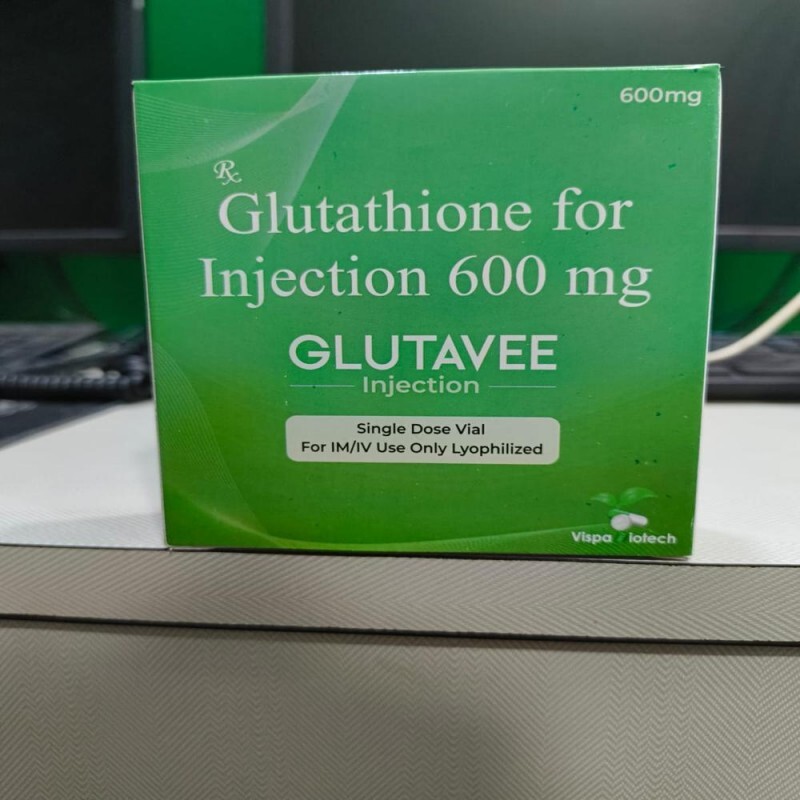
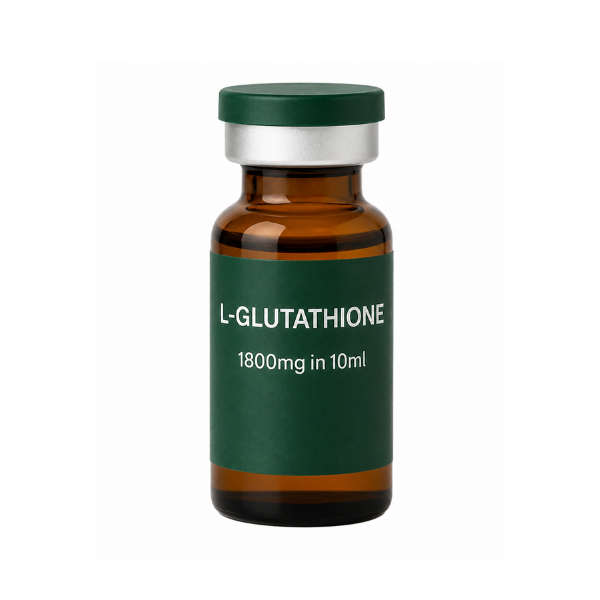
Sulfur-rich foods (direct precursors): Garlic, onions, leeks Broccoli, cauliflower, cabbage, Brussels sprouts Glutathione-containing foods: Avocado, asparagus, spinach Watermelon, peaches, tomatoes Freshly cooked chicken, turkey, or fish Nutrients that support glutathione production: Vitamin C: citrus fruits, guava, amla Selenium: Brazil nuts, eggs, sunflower seeds Vitamin B6, B12, and folate: lentils, chickpeas, leafy greens Alpha-lipoic acid: red meat, broccoli, spinach While food alone may not be enough to maintain optimal levels, including these in your daily diet supports your bodys natural glutathione production
The mechanism is still unclear, but one oft-cited study of women who were overweight or obese and also had prediabetes found that NAD supplementation with nicotinamide mononucleotide (NM), an NAD precursor, for 10 weeks improved insulin sensitivity
Current studies are investigating the sequential use of these agents: utilizing Adipotide to reduce gross adipose mass, followed by HGH Fragment 176-191 to maintain the lower body fat set point and prevent re-esterification of lipids
Tendon-to-Bone Attachment Improvement: Enthesis healing, the junction at which tendon inserts into bone, shows improved structural continuity in BPC-157-treated animal models of rotator cuff repair