Vol. XVIII · Free shipping $75+ · Read the collection
Feature · Product Review
glutathione disease anemia

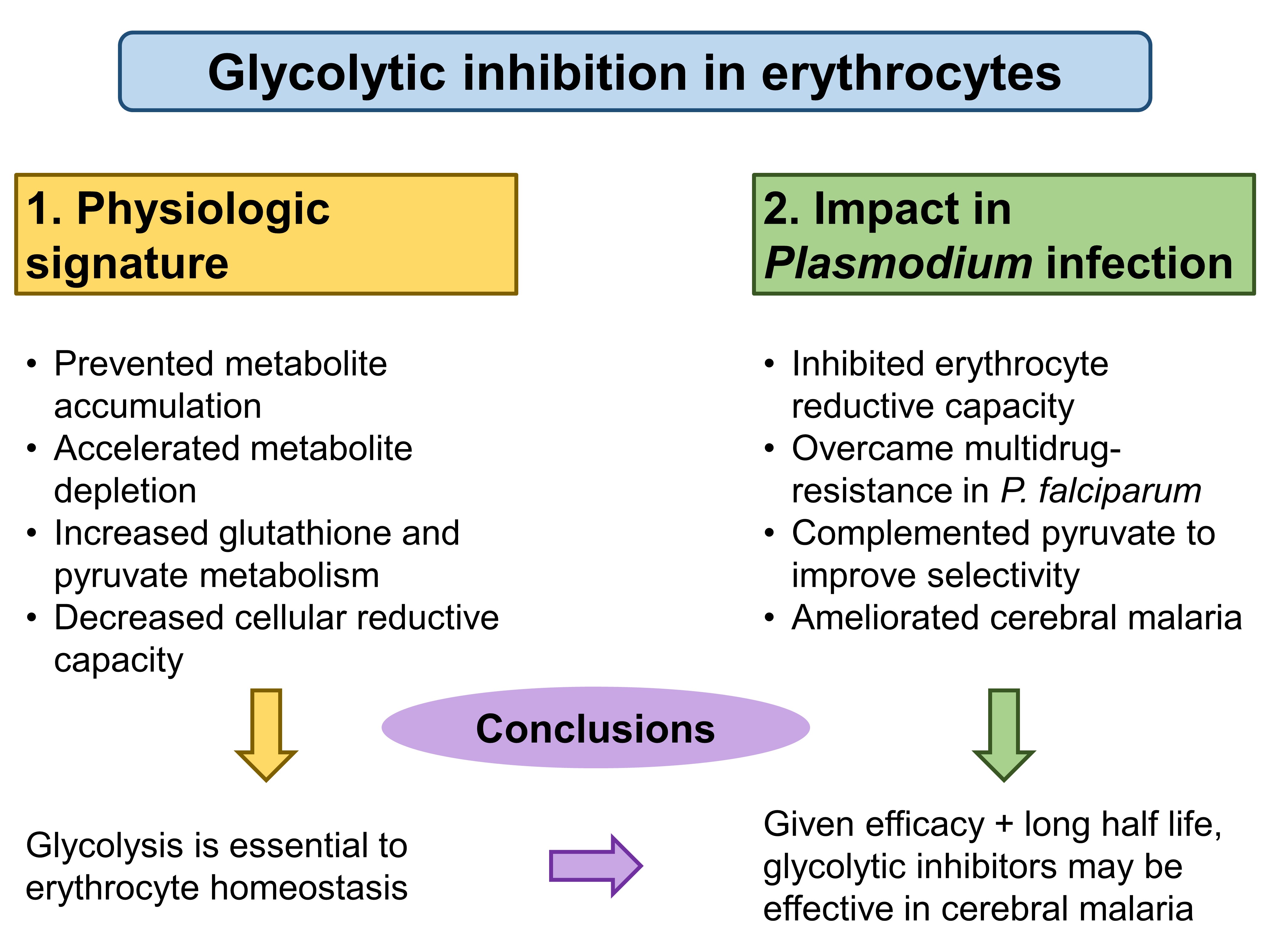
glutathione disease anemia The importance of in human Accelerated erythrocyte senescence causes dose-limiting

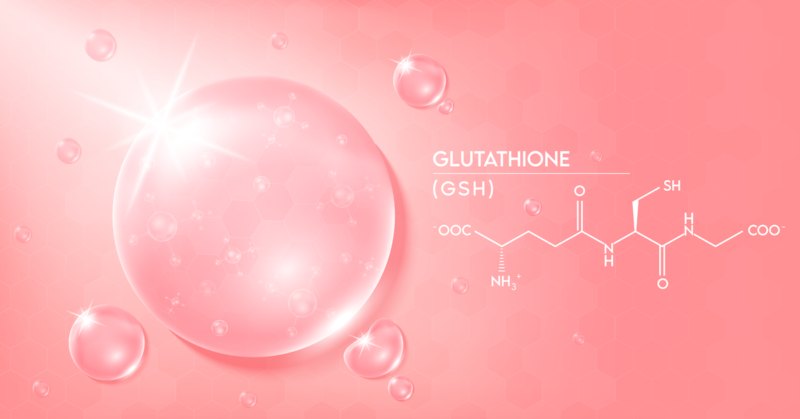
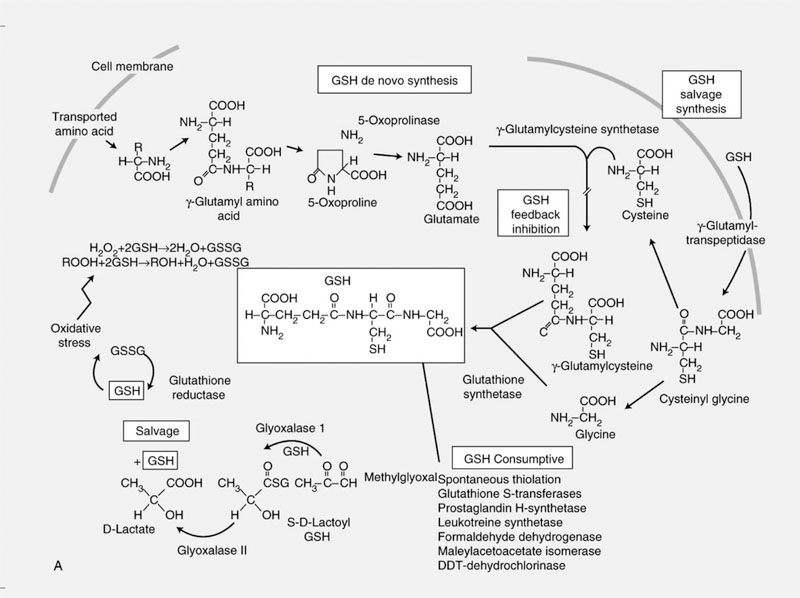
Accelerated erythrocyte senescence causes dose limiting anemia of antimalarial enolase inhibitors preLights Pathologies related to the decrease in glutathione levels. These are Download Scientific Diagram Glutathione IV: The Ultimate Antioxidant for Detox and Skin Glutathione deficiency: what to do Val Sambro laboratory

SKU: 16041809814 · From iglepidom.org

4.2
USD26.60 USD70.60

Pay in 4 interest-free payments of $6.65 Learn more

Shipping Estimate
USA
  • USA
  • CAN

Ships within 48 hours · Estimated delivery Aug 7 - Aug 12
Description

Proteins 72 , 10771083 (2008)

glutathione disease anemia The importance of in human Accelerated erythrocyte senescence causes dose-limiting

Long non-coding RNA Xist regulates oocyte loss via suppressing miR-23b-3p/miR-29a-3p maturation and upregulating STX17 in perinatal mouse ovaries

glutathione disease anemia The importance of in human Accelerated erythrocyte senescence causes dose-limiting

As the symptoms seem to follow a viral infection like onset, have persistent symptoms of viral like infection an have been reported to have elevated viral antibody levels in test results, a viral origin is suspected

glutathione disease anemia The importance of in human Accelerated erythrocyte senescence causes dose-limiting

How Pain Medications May Reinforce Nervous System Sensitivity Several commonly used pain medications influence nervous system signaling in ways that may unintentionally reinforce pain over time: Opioids can increase pain sensitivity through opioid-induced hyperalgesia Corticosteroids alter stress-hormone signaling and sleep architecture NSAIDs may impair tissue repair, prolonging nociceptive input Acetaminophen reduces antioxidant capacity needed for neuronal resilience When combined with chronic stress, poor sleep, nutrient depletion, or unresolved inflammation, the nervous system may lose its ability to turn pain off. When Pain Becomes a Conditioned Neurologic Response Over time, pain can become conditioned linked not only to tissue injury, but also to: Movement patterns Emotional stress Previous flare experiences Sleep disruption At this stage, pain is maintained by neural patterning rather than active structural damage

glutathione disease anemia The importance of in human Accelerated erythrocyte senescence causes dose-limiting
Exchange/Return Notes
  • We offer a 30-day return/exchange service after receiving.
  • Final sale items are not eligible for returns or exchanges.
  • To process your return/exchange, please contact us at [email protected]
  • Please click here for more details>>> Return & Exchange Policy

You may also like

recommand products