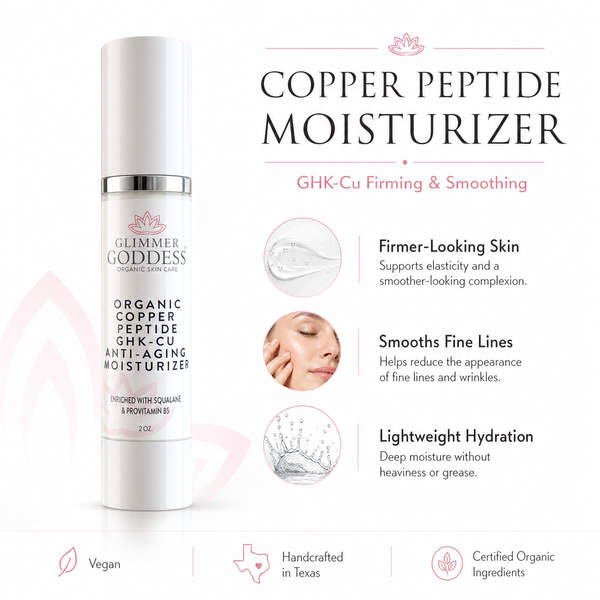
Pickart stated that GHK-Cu has a favorable safety profile, highlighting that there is no indication that it causes side effects in test subjects [2]: The molecule is very safe and no issues have ever arisen during its use as a skin cosmetic or in human wound healing studies. In a 2018 review based on new genetic data, he reiterated that all biological actions associated with GHK appear to be health positive. He pointed to over four decades of GHK research encompassing cell, tissue, and animal studies, also noting the peptides inclusion in commercial anti-aging and cosmetic products such as creams, liposomes, and dermal patches [1]
And essentially, this was a narrative review on these researchers who were trying to look at, across the literature, what are the rates and the impact of chronic lower back pain in people who are active
GHK-Cu topical: 1 %3 % for skin, 0.5 % for scalp AHK-Cu topical: 0.05 %0.1 % is standard in most hair serums - note this is much lower than GHK-Cu percentages Injectable AHK-Cu: less well characterised
The answer depends on design