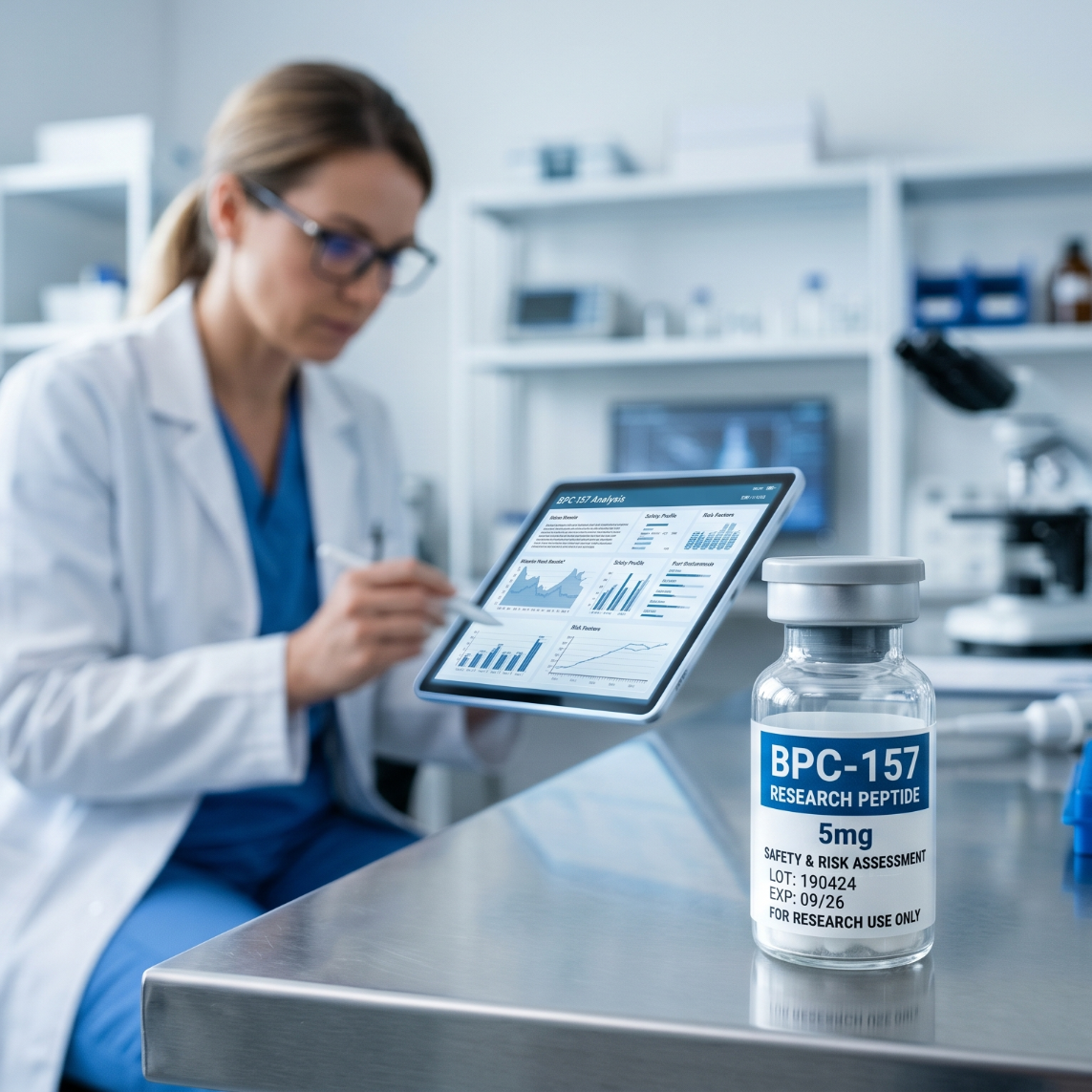
As the dietary supplement market continues to grow, cases of toxic hepatitis, or liver toxicity, appear to be on the rise as well
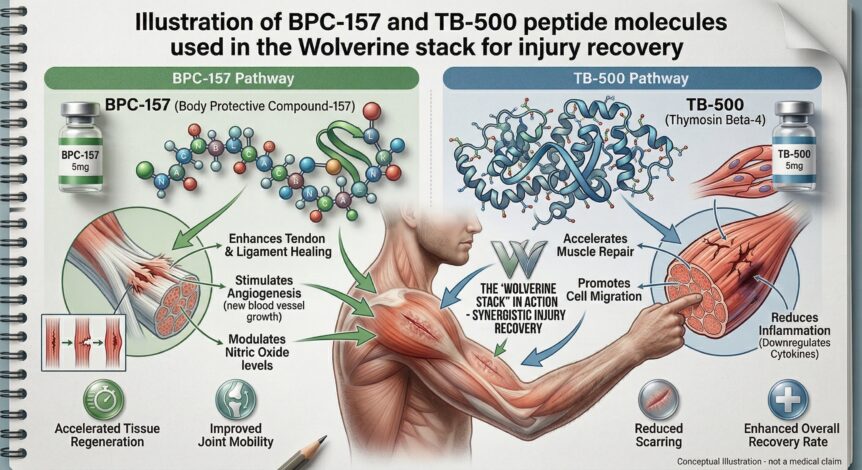
Although both peptides are frequently associated with regenerative research, they have different biological backgrounds
Conditions associated with elevated B12 levels include: Liver disease : Hepatocellular damage releases stored B12 into circulation, with levels correlating with disease severity in conditions such as cirrhosis, hepatitis, and hepatocellular carcinoma Renal impairment : Reduced kidney function decreases B12 clearance, leading to accumulation Haematological malignancies : Myeloproliferative disorders, acute leukaemia, and polycythaemia vera can elevate B12 through increased production of B12-binding proteins (transcobalamins) Solid tumours : Certain cancers, particularly those affecting the liver or gastrointestinal tract, may elevate B12 levels A specific concern relates to cyanocobalamin in patients with Leber's hereditary optic neuropathy , a rare mitochondrial disorder
Because B12 is essential for myelin synthesis and the proper degradation of catecholamines, researchers conclude that this deficiency directly impairs sympathetic nervous system baroreceptor function