NAD+ vs NMN vs NR (and IV vs SubQ) NAD+ Delivery Comparison Feature Mechanism NAD+ Injection (SubQ) Direct coenzyme delivery NAD+ Infusion (IV) Direct coenzyme delivery Oral NMN NAD+ precursor (converted in vivo) Oral NR (Niagen) NAD+ precursor (converted in vivo) Feature Typical research-planning dose NAD+ Injection (SubQ) 50-100 mg, 2-3x/week NAD+ Infusion (IV) 250-1,000 mg per session Oral NMN 300-600 mg/day Oral NR (Niagen) 300-1,000 mg/day Feature Speed to systemic NAD+ rise NAD+ Injection (SubQ) Hours NAD+ Infusion (IV) Minutes to hours Oral NMN Days to weeks Oral NR (Niagen) Days to weeks Feature Strongest human evidence NAD+ Injection (SubQ) Limited NAD+ Infusion (IV) Pilot PK and historical case reports Oral NMN Growing RCT base Oral NR (Niagen) Strongest RCT base Feature Convenience NAD+ Injection (SubQ) At-home injection technique required NAD+ Infusion (IV) Clinic visit, 2-4 hour infusion Oral NMN Daily oral capsule Oral NR (Niagen) Daily oral capsule Feature Regulatory status NAD+ Injection (SubQ) Not FDA-approved
Selenium-Rich Foods: Brazil nuts, sardines, and grass-fed beef provide selenium, a mineral that helps the body produce an enzyme called glutathione peroxidase
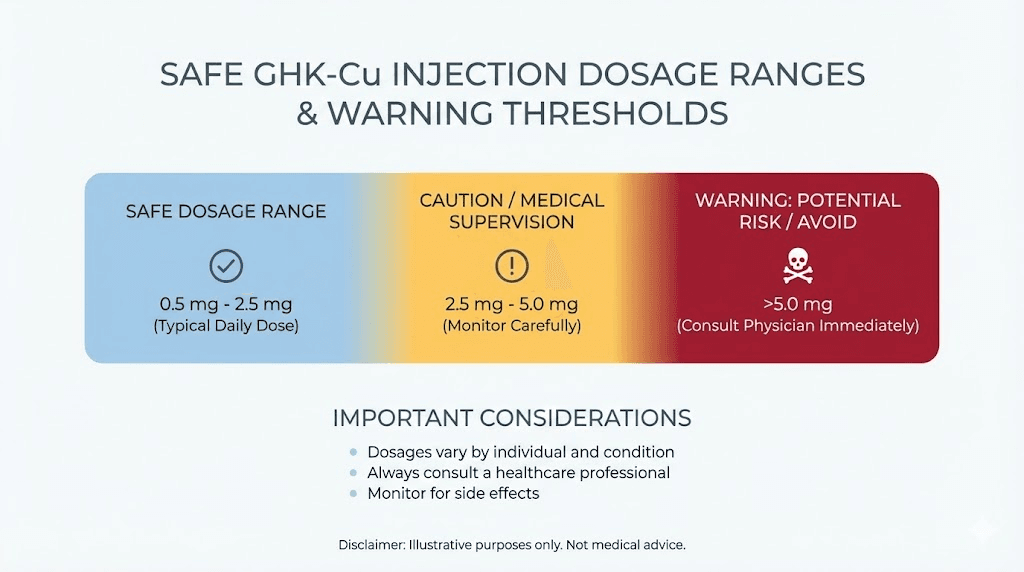
The most commonly reported side effects are mild and transient: injection site redness or minor bruising, transient fatigue in the first one to two weeks, and occasionally mild headache following the first few injections, a pattern sometimes attributed to the acute shift in cellular energy metabolism as AMPK pathways are upregulated [3]
Citrus fruits are rich in flavonoids for immunoregulation and potential targeting ACE2