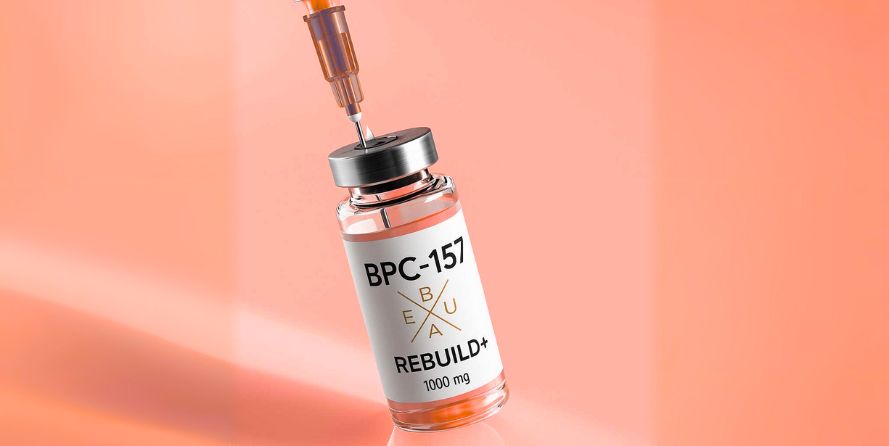
GLOW Blend Peptide Mechanistic Profile GLOW Blends research utility is defined by three complementary mechanistic domains: Cytoskeletal-Associated Pathways (Thymosin Beta-4 / TB-500) Supports studies of actin-binding interactions Enables investigation of cytoskeletal organization and cell-migration models Vascular- and Stress-Response Signaling (BPC-157) Used to explore endothelial-associated pathways Supports research into fibroblast-linked signaling and inflammation-related regulatory networks ECM-Associated & Metallopeptide Pathways (GHK-Cu) Frequently used in studies of matrix-regulation mechanisms Supports investigation of copper-dependent enzymatic activity and redox-associated signaling Multi-Component Pathway Modeling Allows examination of parallel structural, ECM-associated, and metallopeptide pathways Useful for studying coordinated signaling across cytoskeletal, matrix, and redox systems These mechanistic domains position GLOW Blend peptide as a multi-pathway research substrate for studying cytoskeletal biology , ECM-associated signaling , and copper-dependent molecular pathways

Last spring I tore my rotator cuff during a grappling session when my training partner got me in a kimura and I was too stubborn to tap fast enough
BPC 157 For Healing and Repair Route: Oral pill 12 WEEK TIRZEPATIDE WEIGHT LOSS PROGRAM About BPC Peptide Therapy BPC 157 (body protection compound), composed of 15 amino acids has been demonstrated to accelerate the healing of many different wounds, including tendon to bone healing, healing of ligaments, muscle sprains, tears and damage
Seek immediate medical care for symptoms of a heart attack, stroke, or other medical emergency