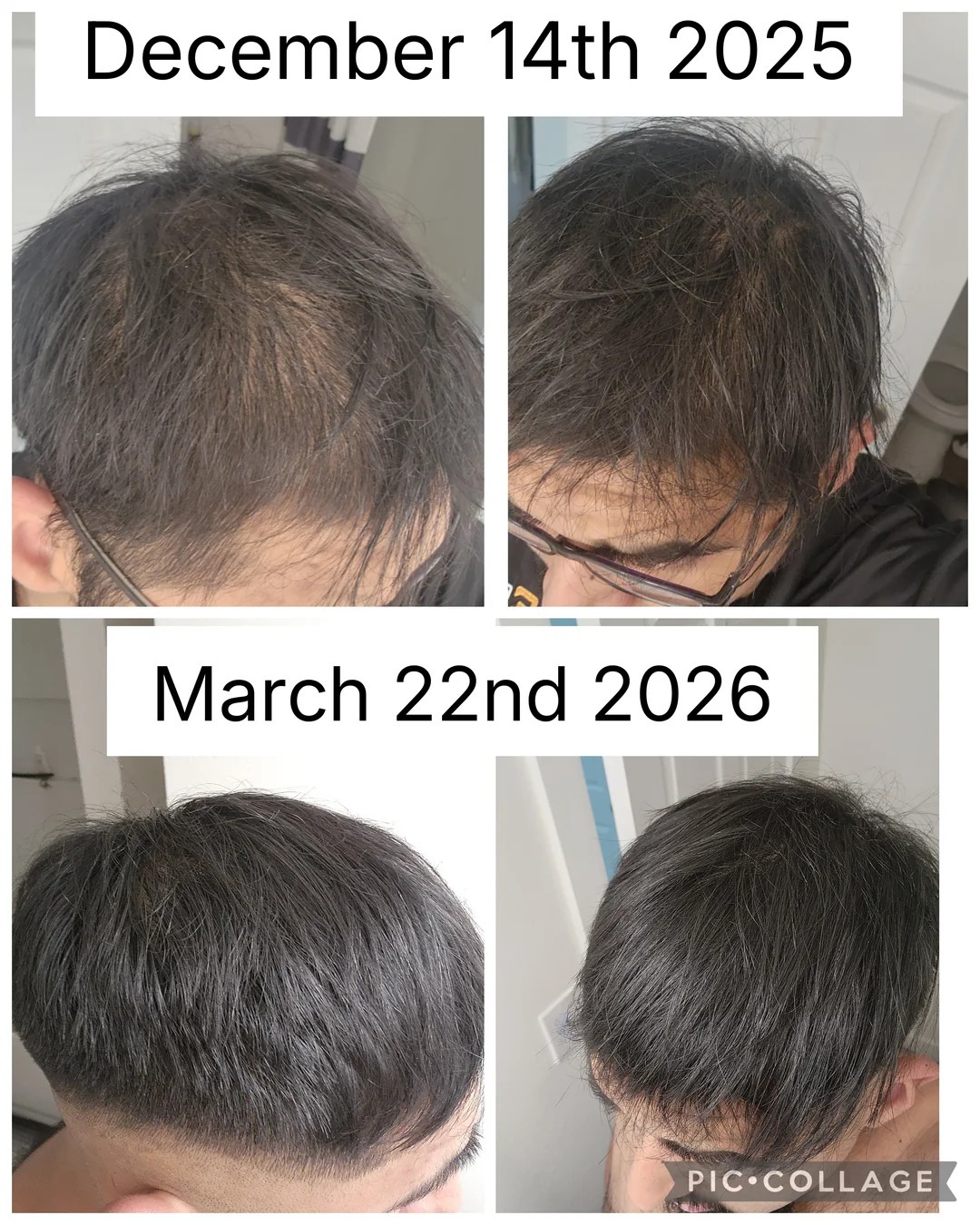
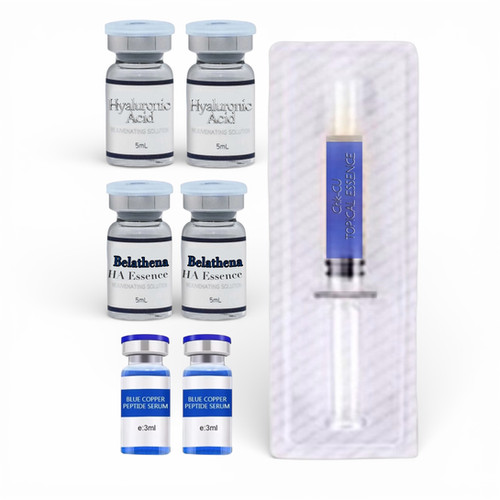
For certain experiments, researchers may seek out BPC-157 prepared as an acetate salt, which is generally considered more biocompatible for in-vitro use, although potentially less stable
What Happens When Patients Use Both NAD+ and Sermorelin Together
Among the rather long list of their predecessors, the authors mentioned Mortimer Louis Anson (19011968) and Alfred Ezra Mirsky (19001974), who, in 1934, reported that denatured hemoglobin can be digested by trypsin, which does not attack the native protein ( However, the actual father of limited proteolysis as a research tool was Kaj Ulrik Linderstrm-Lang, who, together with Martin Ottesen, coined the term in 1949, to differentiate the restricted specificity of certain enzymes under certain conditions from the random proteolysis accompanying total protein degradation (Linderstrm-Lang and Ottesen, 1949)
NAD+ vs NMN vs NR (and IV vs SubQ) NAD+ Delivery Comparison Feature Mechanism NAD+ Injection (SubQ) Direct coenzyme delivery NAD+ Infusion (IV) Direct coenzyme delivery Oral NMN NAD+ precursor (converted in vivo) Oral NR (Niagen) NAD+ precursor (converted in vivo) Feature Typical research-planning dose NAD+ Injection (SubQ) 50-100 mg, 2-3x/week NAD+ Infusion (IV) 250-1,000 mg per session Oral NMN 300-600 mg/day Oral NR (Niagen) 300-1,000 mg/day Feature Speed to systemic NAD+ rise NAD+ Injection (SubQ) Hours NAD+ Infusion (IV) Minutes to hours Oral NMN Days to weeks Oral NR (Niagen) Days to weeks Feature Strongest human evidence NAD+ Injection (SubQ) Limited NAD+ Infusion (IV) Pilot PK and historical case reports Oral NMN Growing RCT base Oral NR (Niagen) Strongest RCT base Feature Convenience NAD+ Injection (SubQ) At-home injection technique required NAD+ Infusion (IV) Clinic visit, 2-4 hour infusion Oral NMN Daily oral capsule Oral NR (Niagen) Daily oral capsule Feature Regulatory status NAD+ Injection (SubQ) Not FDA-approved