Veterinary Dermatology
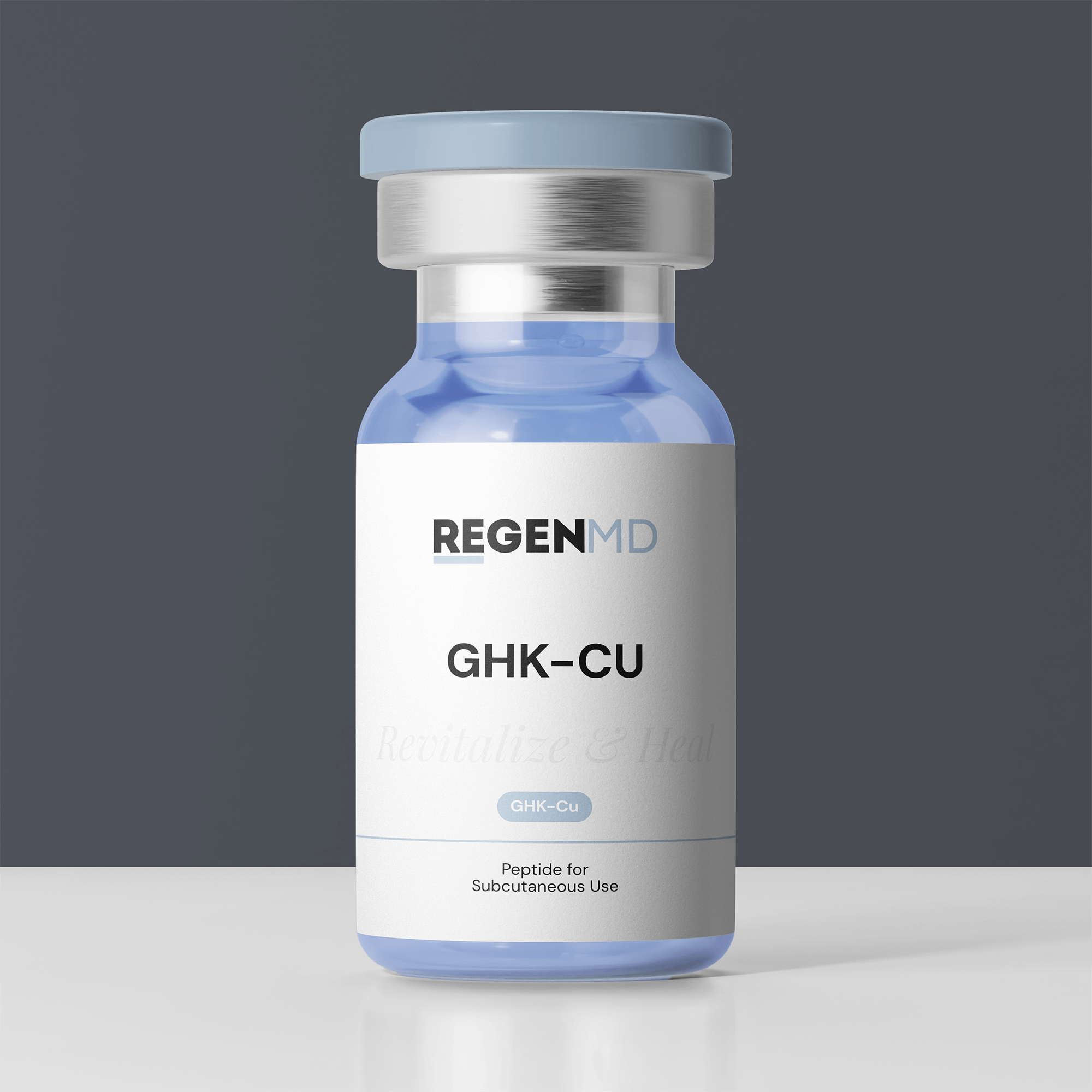
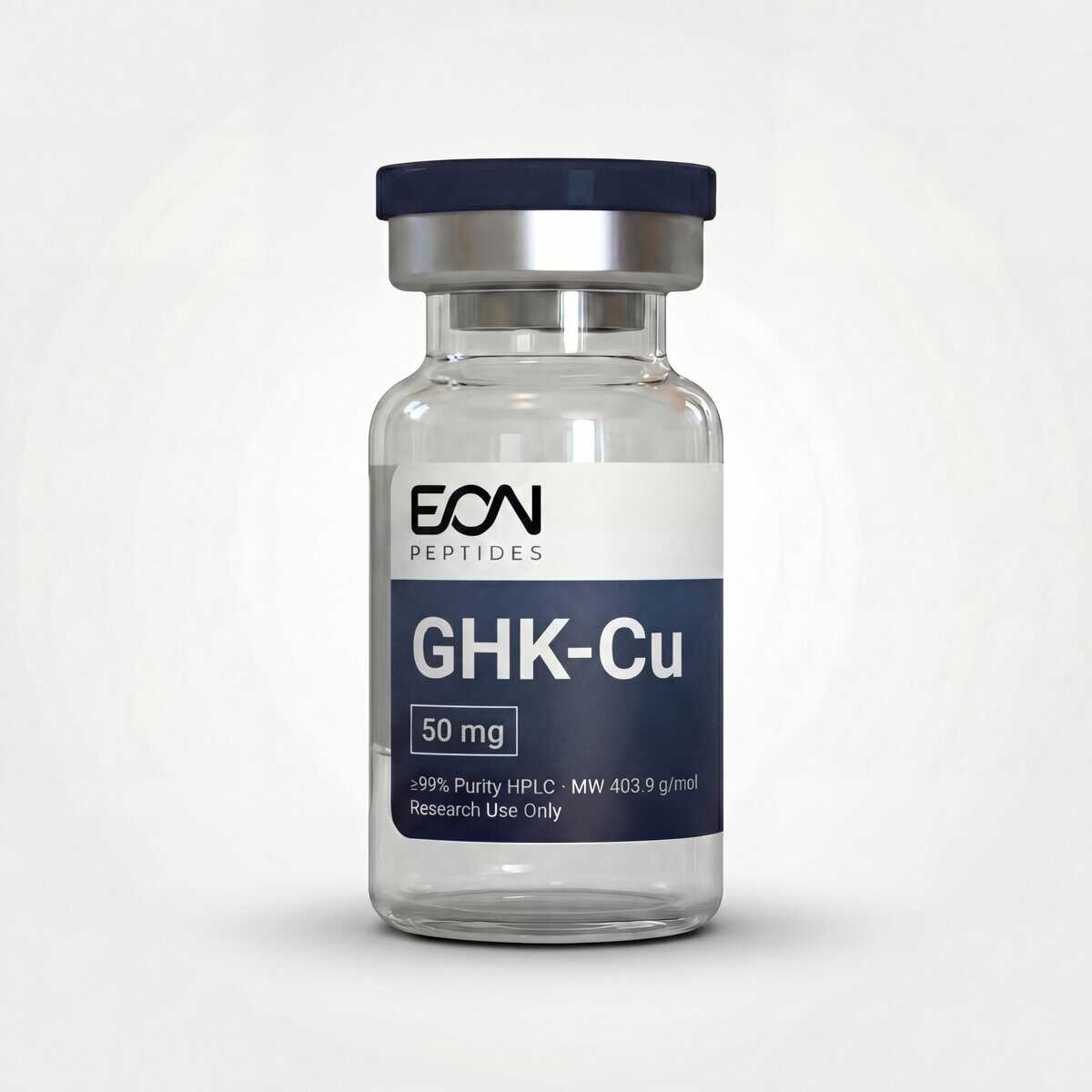
Citing significant, unresolved safety risks, a total lack of robust human clinical efficacy data, and grave concerns over immunogenicity and peptide-related impurities, the FDA officially designated 19 of the most popular therapeutic peptidesexplicitly including BPC-157, TB-500 (Thymosin beta-4 fragment), and injectable GHK-Cuas Category 2 bulk drug substances
Pregnancy and lactation safety has not been systematically studied, and as with most cosmetic and research compounds lacking definitive pregnancy safety data, conservative practice typically suggests avoiding use during pregnancy unless clearly needed, though the natural occurrence of GHK-Cu in the body and minimal systemic absorption from topical use suggest risk is likely to be low

Key areas of investigation include: Gastrointestinal : Demonstrated protection against NSAID-induced ulcers, inflammatory bowel disease models, and esophageal damage in multiple animal studies Musculoskeletal : Accelerated healing of transected Achilles tendons, quadriceps muscles, and medial collateral ligaments in rat models Neurological : Neuroprotective effects in models of traumatic brain injury, nerve crush injury, and dopaminergic system damage Organ protection : Hepatoprotective, cardioprotective, and nephroprotective effects demonstrated in various toxicity models The primary limitation is that all evidence comes from animal models