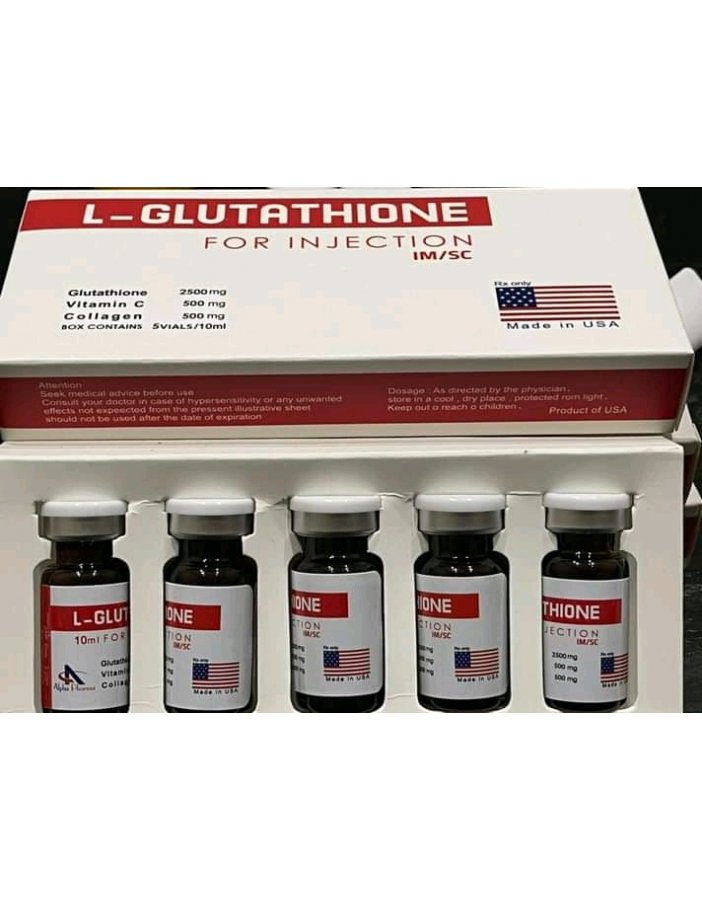
Its also involved in 1 : Detoxification of xenobiotic and endogenous compounds Facilitating plasma membrane transport of toxic substances for excretion from the body Scavenging oxidants (superoxide anion, hydroxyl radical, nitric oxide, and carbon radicals) Recycling and regenerating other antioxidants (vitamins C and E) Removing mercury from cells and the brain Regulating cellular proliferation and apoptosis Supporting proper mitochondrial function and maintenance of mitochondrial DNA Theres really no shortage of roles glutathione plays, and low levels have been linked to 3 : Neurodegenerative diseases (Alzheimers, Parkinsons, Huntingtons disease) Pulmonary disease (COPD, asthma, acute respiratory distress syndrome) Immune diseases (HIV, autoimmunity) Cardiovascular diseases (hypertension, myocardial infarction, high cholesterol) Chronic age-related diseases (cataracts, macular degeneration, glaucoma) Liver disease Cystic fibrosis Aging So, considering just how important glutathione is for supporting health and well-being, it only makes sense to look for ways to support its production and increase levels naturally

Nrf2 and Keap1 abnormalities in non-small cell lung carcinoma and association with clinicopathologic features
Typically, protracted withdrawal does not last longer than a year
It turned out that, with further analysis, this claim could not be confirmed