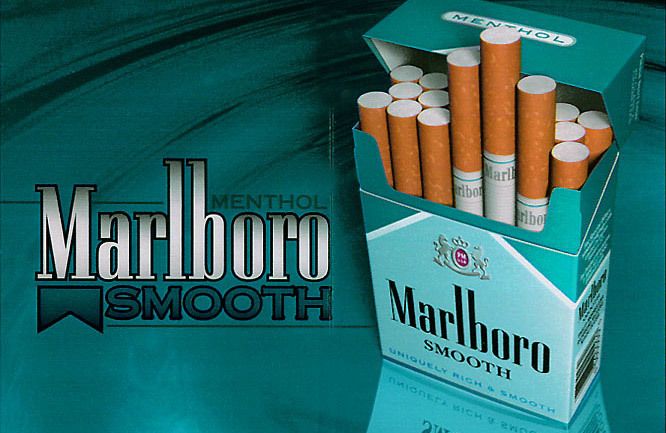
Nobecause no one is better at finding regulation loopholes than a tobacco company

Common sources of nicotine that dogs access: Cigarettes and cigarette butts: Even a discarded butt contains residual nicotine that is concentrated and readily absorbed Cigars and pipe tobacco: Higher nicotine content than most cigarettes Chewing tobacco and snuff: Extremely concentrated, often flavoured, and accessible in small containers, dogs can open them Nicotine gum: Flavoured to taste appealing, dogs frequently chew through an entire pack Nicotine patches: A single patch contains enough nicotine to cause severe toxicity in a small dog Nicotine pouches: Increasingly popular and easily left on surfaces or in bags E-cigarettes and vape pens: The devices themselves are chewable,e and the cartridges contain liquid nicotine in concentrated form Vape refill liquids: These are among the most dangerous, with extremely high nicotine concentrations in small bottles Modern nicotine products are often fruit-flavoured, mint-flavoured, or sweet-smelling

Over time, breathing in these particles can irritate the respiratory system, exacerbate asthma, and in some rare cases cause hypersensitivity pneumonitis (inflammation, fluid buildup, and possible scarring of lung tissue)
All the hinges are functional